Quick answer
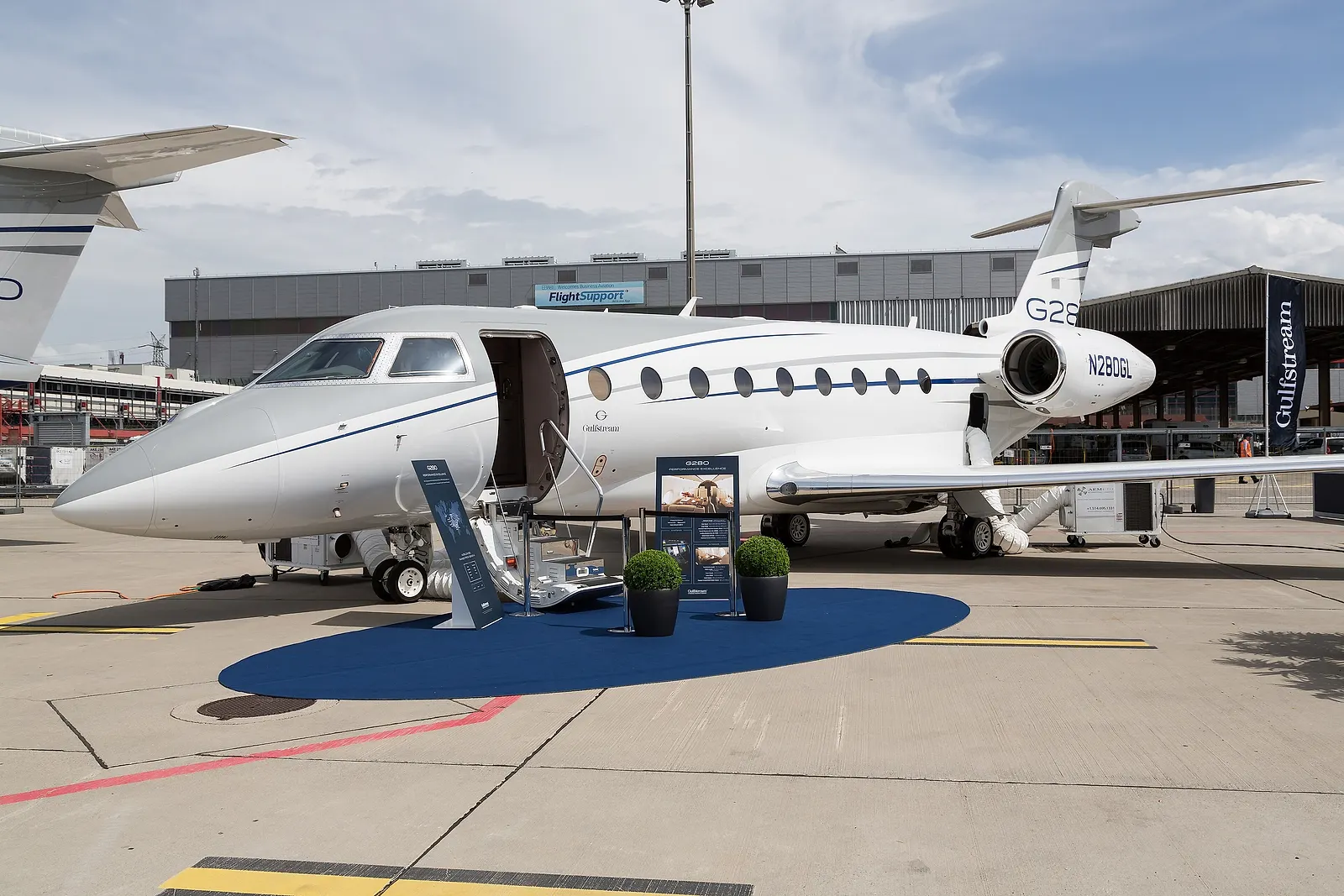
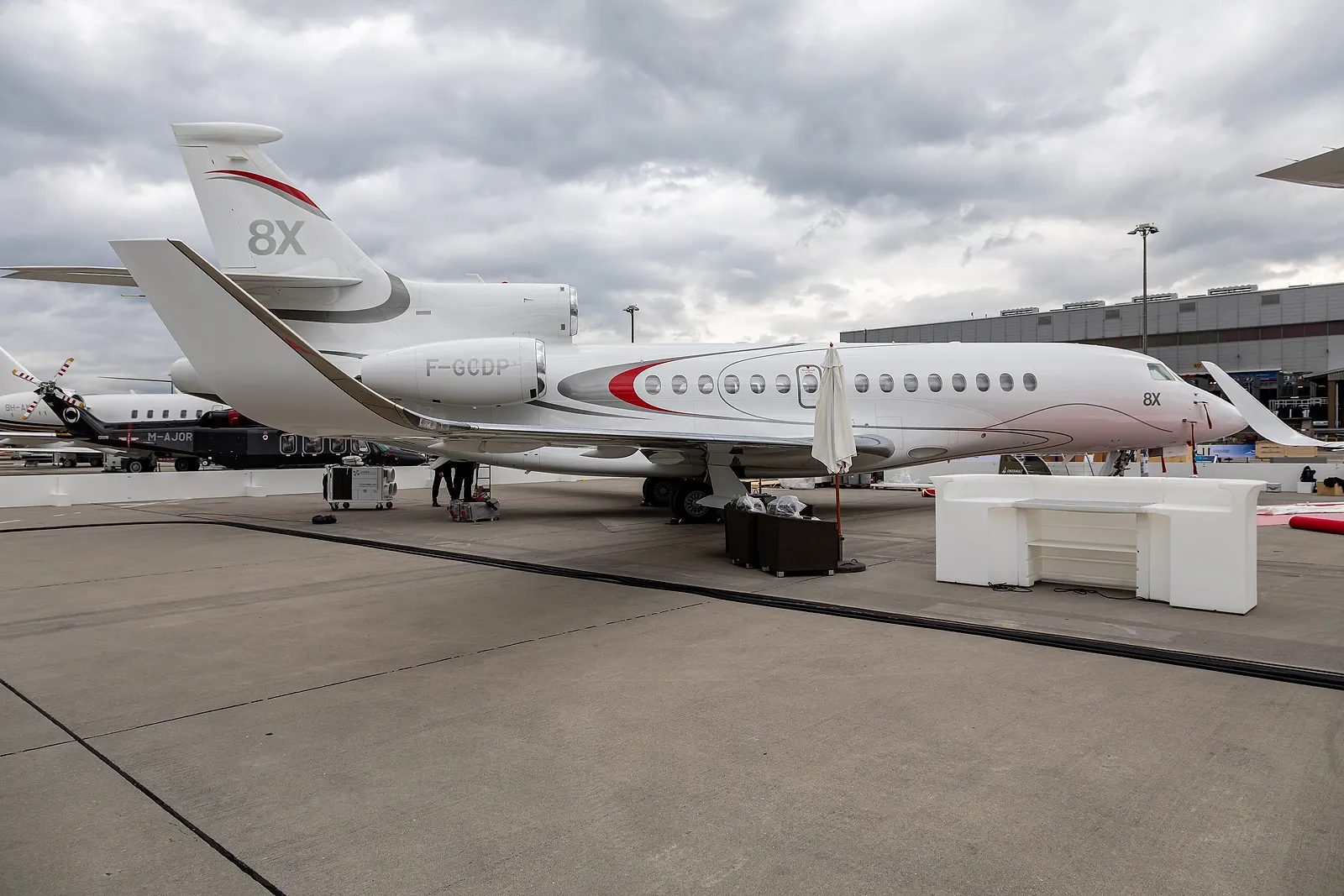
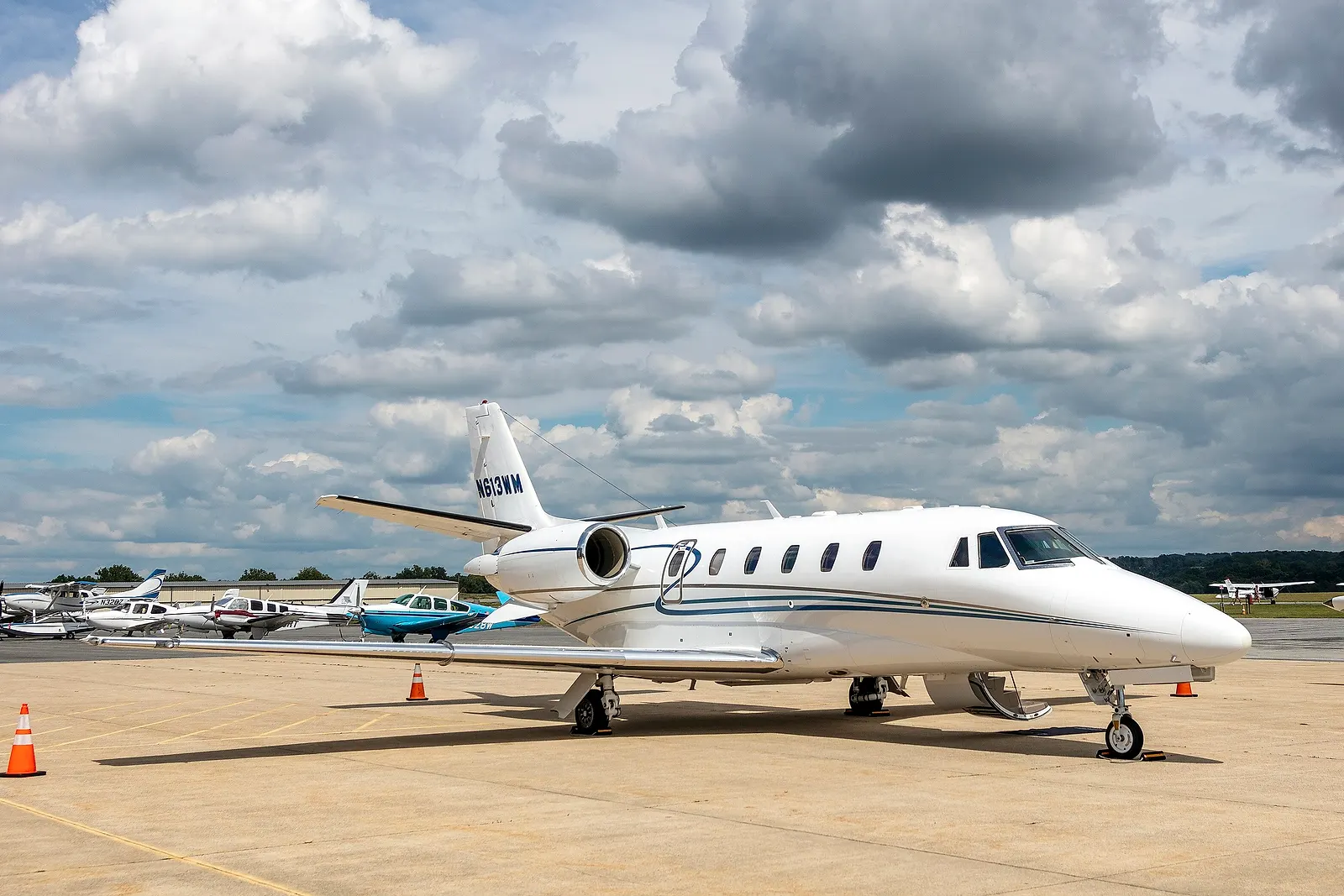
There is no fixed baggage allowance on a private jet. The limit is the aircraft's hold volume and the weight it can carry with the fuel the trip needs. As a rough guide, a light jet holds about 1 to 2 cubic metres of luggage, a midsize 2 to 3, a super-midsize about 3 and a heavy jet 4 to 5. The exact figure depends on the model.
- No fixed allowance: hold volume and weight decide
- Light jet about 1 to 2 m³, midsize 2 to 3 m³
- Heavy jet about 4 to 5 m³ of luggage
On this page7
01Space, not a bag count
Airlines sell baggage by the piece and by the kilogram. A private charter has no such tariff. You book the whole aircraft, so you can bring what physically fits and what the aircraft can safely lift. That makes the question two questions: does it fit through the door and into the hold, and does the total weight work with the fuel needed for the route.
Each aircraft page on the site lists its baggage capacity. Use it as a starting point, then tell us what you are really bringing so the team can match the aircraft to the luggage, not the other way round.
02Typical baggage volume by category
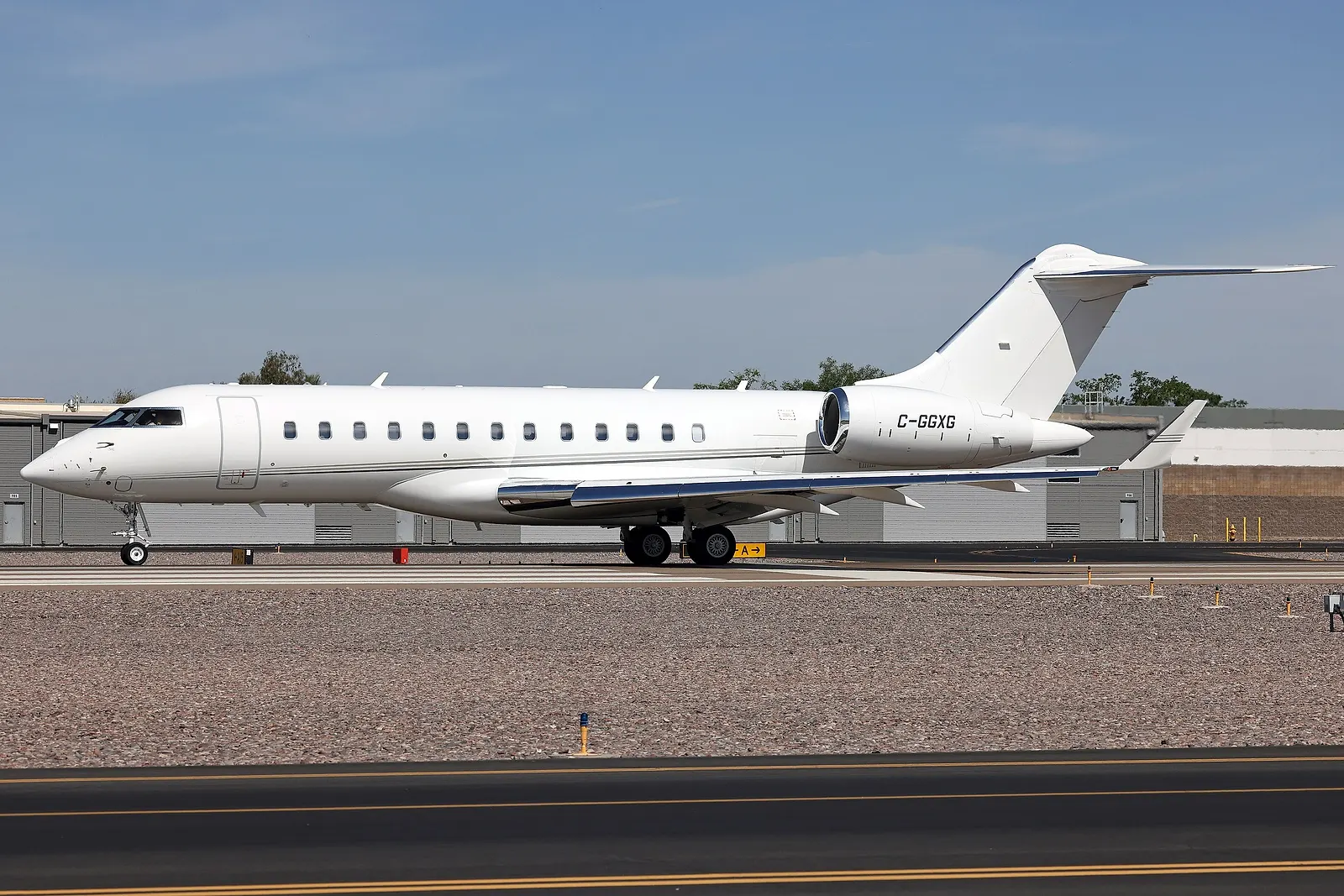
These are approximate ranges across common models. Two aircraft in the same category can differ a lot, and a model's figure may combine an external hold with a smaller compartment inside the cabin.
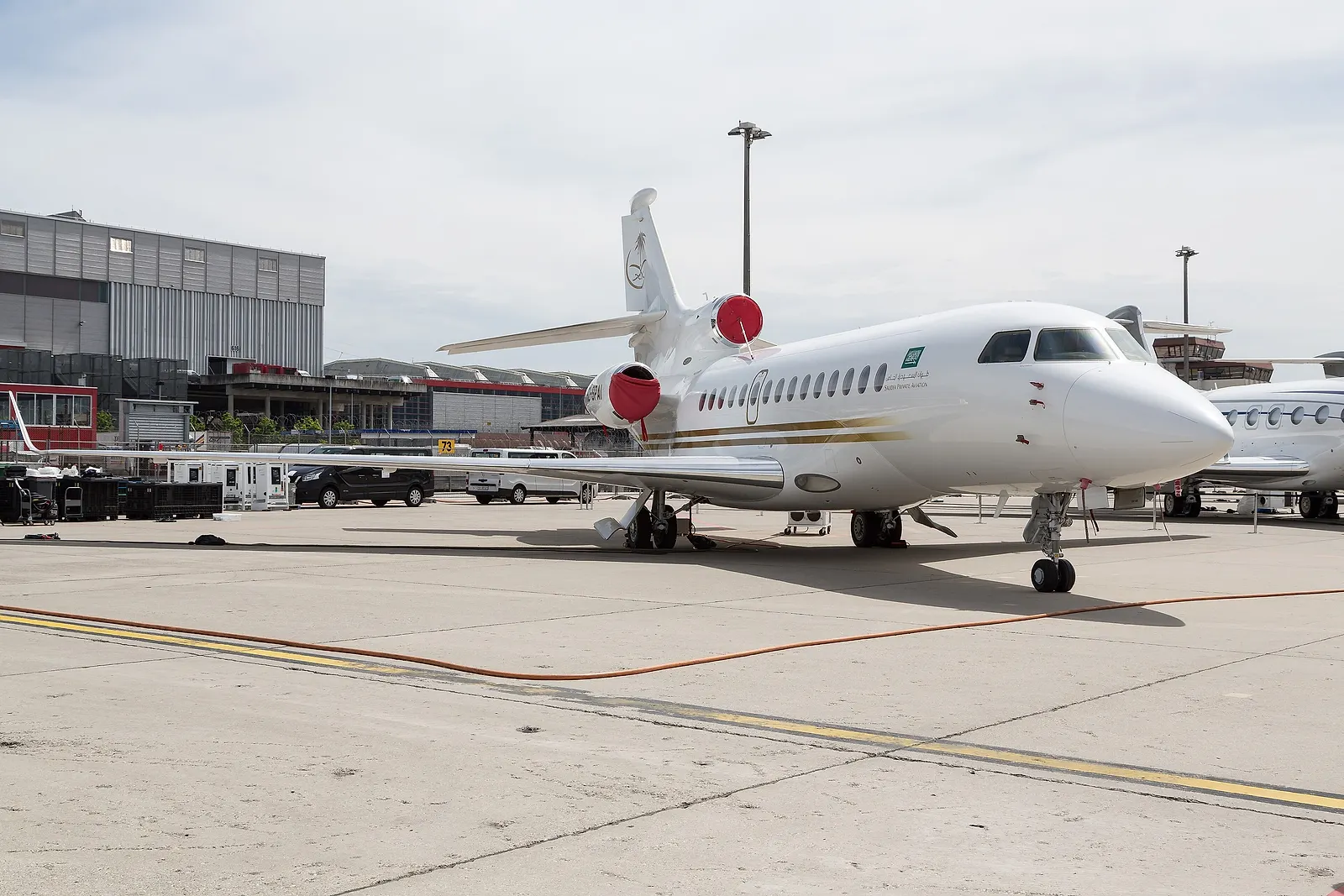
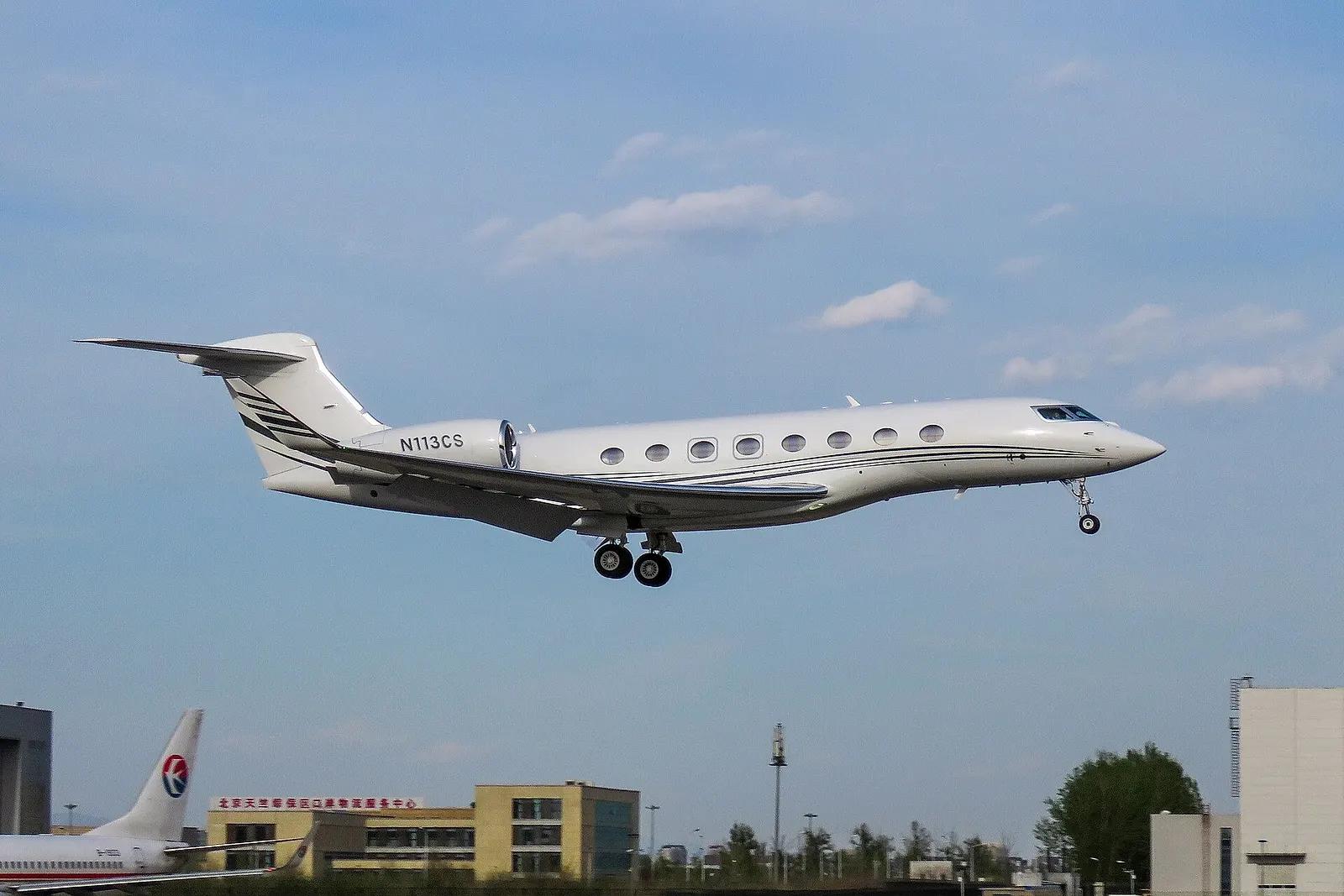
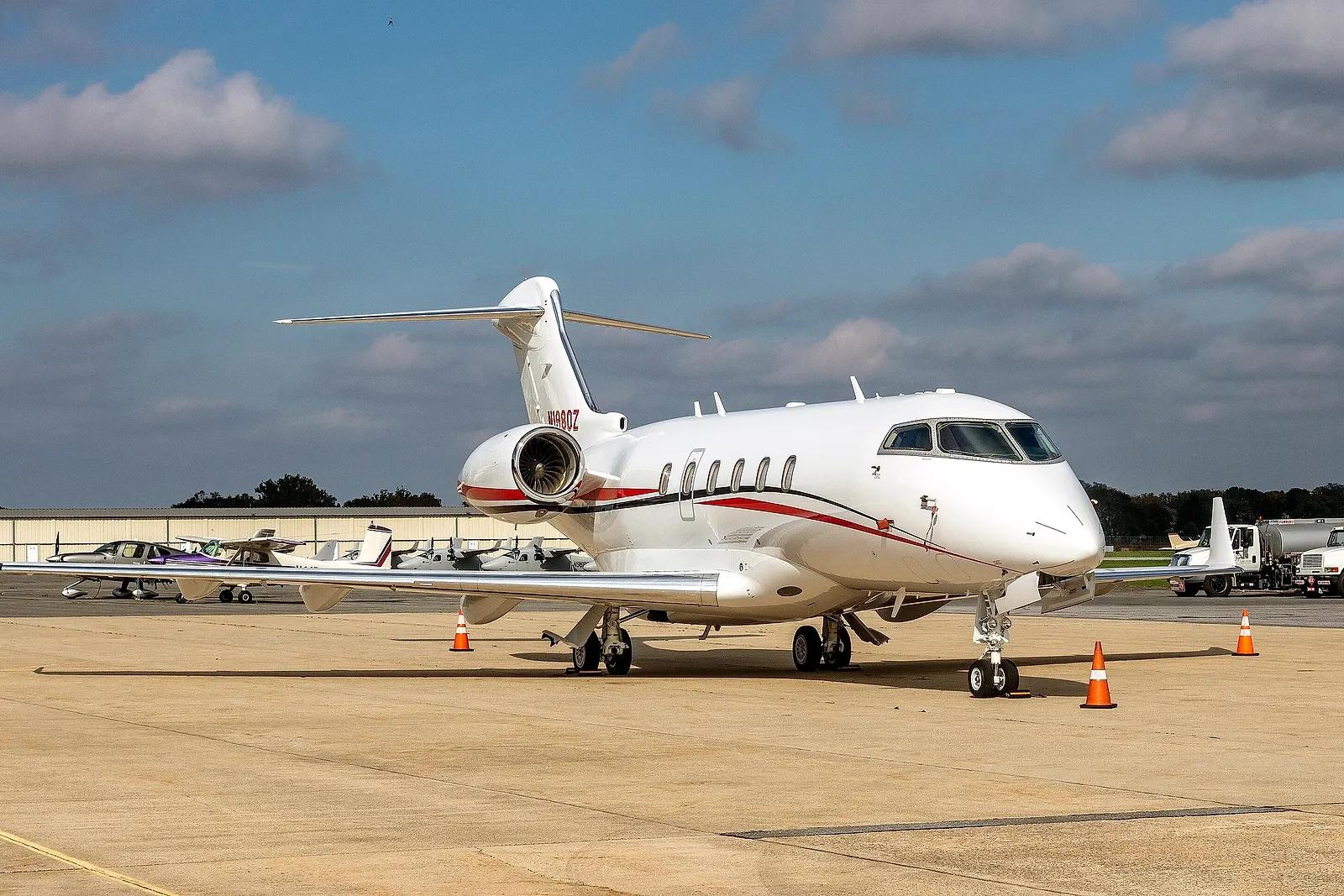
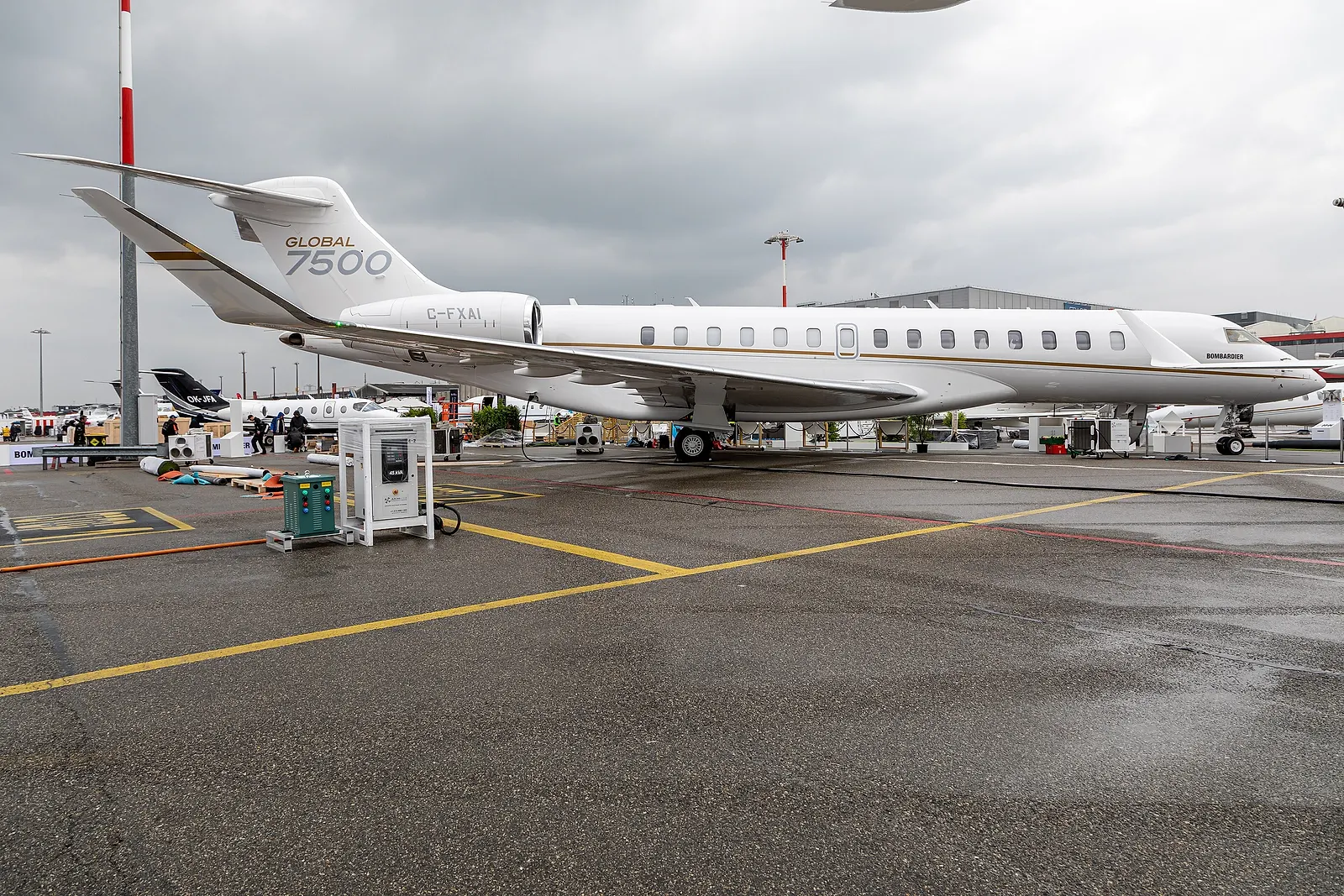
- Very light and light jets: about 1 to 2 m³ (roughly 35 to 70 cubic feet). Enough for a carry-on and a medium suitcase per person on a full flight, less if you bring golf bags.
- Midsize jets: about 2 to 3 m³. Comfortable for most business trips and a week's holiday luggage for a smaller group.
- Super-midsize jets: about 3 m³, often with a hold you can reach during the flight.
- Heavy and large-cabin jets: about 4 to 5 m³, sometimes more on ultra-long-range models. Suits families, long stays and bulky gear.
- Turboprops: varies widely. Some have generous holds, others very little room once all seats are filled.
Planning a trip?
See every aircraft for your route with a price in seconds. Mention this in your request and the team checks it with the operator.
03Weight and balance
Every flight is planned within a maximum take-off weight. Passengers, bags and fuel all share it. On a short hop there is plenty of margin. On a long sector, especially in a smaller jet, the fuel needed for the distance and reserves can leave less payload for people and luggage. Heat, a high-altitude airport and a short runway reduce the margin further.
When weight is tight, the operator has options: carry fewer passengers or bags, plan a fuel stop, or suggest a larger aircraft. That is why the team asks about luggage before the offer, rather than at the aircraft steps. The load also has to be distributed correctly, so the crew decides where heavy items go.
04How to pack for a private jet
Soft bags are easier to fit than hard-shell cases, because a hold has curved walls and a small door. Several medium bags usually fit better than one very large case. Keep medicines, documents, chargers and anything valuable in a small bag you keep in the cabin.
- Tell us the number of bags, rough sizes and any hard cases.
- Mention long or bulky items early: golf bags, skis, prams, instruments.
- Power banks and spare lithium batteries go in the cabin, never in the hold.
- Dangerous goods rules still apply: no flammable liquids, gas canisters or loaded firearms without the operator's agreement and the paperwork.
05Can you access bags during the flight?
On many super-midsize and larger jets the baggage compartment can be reached from the cabin in flight, which is useful on long trips. On most light jets the hold is external, so whatever goes in stays there until landing. If you want a coat, a change of clothes or a baby bag during the flight, keep it with you.
06Matching the aircraft to your luggage
Passenger count is only half of the choice. Four people on a weekend trip with cabin bags fit a light jet easily. The same four people on a two-week holiday with large suitcases, a pram and golf bags may need a midsize or super-midsize jet, even though a light jet has enough seats. Moving up one category costs more per hour, but it can be cheaper than sending luggage separately or leaving a bag behind.
The opposite also happens. If your group travels light, a smaller jet can do the trip at a lower price. Tell the team honestly what you are bringing and it will suggest the smallest aircraft that fits both people and bags, and flag where a different aircraft would work better.